 ANSO Health
For investors and strategic capital partners
Building the learning layer between physiological change and behavior
ANSO Health is developing a personalized system designed to help people recognize meaningful physiological and behavioral shifts earlier, respond in the moment, and learn which responses work for them over time.
If the system can surface a meaningful change early enough, the person may still have a window in which a different response is possible. That window is the company.
The problem
Stress tools arrive before the moment or after it.
Books teach concepts. Therapy provides depth but is episodic. Meditation and wellness apps require the user to recognize the need and open the product. Wearables generate increasingly rich physiological data and then stop at measurement.
ANSO works in the space between measurement and behavior, the interval in which a physiological change may be underway, but the behavioral response has not yet fully unfolded.
That interval is what we are trying to understand.
The thesis
Move recognition earlier.
ANSO's core hypothesis is that behavior change becomes more achievable when three things happen together.
A person recognizes a relevant shift earlier.
The intervention is small enough to use in real life.
The outcome feeds back into a learning system.
The objective is not to diagnose stress. It is to identify a candidate change, ask the person whether it matters, offer a relevant intervention, observe what followed, and learn across repeated observations.

The outcome that defines the company
Success looks like the product going quiet.
Every product in this category improves by intervening more precisely and more often, because engagement is how they are monetized. Their longitudinal data makes them louder.
ANSO is being built to move the opposite direction. As the system learns a person's patterns, it should raise its own threshold for interrupting them. The outcome we intend to measure and publish is the reduction in how often ANSO has to prompt someone at all.
This is a commitment about architecture, not a result we have demonstrated yet. It is also a commitment a company monetized on engagement cannot follow. The mechanism behind it, and the data structure that makes it defensible, are part of what a direct conversation covers.
Early signal
Discovery work with a targeted early-access audience produced enough interest, in both volume and content, to justify building past concept. A manually run version of the core interaction sequence confirmed it could be executed before any code was written. This is discovery evidence, not efficacy evidence, and we treat it as exactly that.
Full data is available on request.
What is the business
We've been deliberate about what comes first. The population that makes the mechanism credible, the population that makes the product real, and the population that makes the company viable are not the same people, and the sequencing between them is part of the strategy conversation.
What we sell
A personalized subscription product that learns an individual's physiological patterns over time and intervenes less as it learns more. The product is the business. Value accrues to the user as a running, private record of what regulates them, built from their own data rather than generic content.
Who pays
High-output professionals, direct to consumer. A buyer already paying for wearables, already tracking their own health, and already primed to pay for a layer that turns that data into something actionable. We are meeting an existing behavior at the point where it currently stops at measurement, not building demand for a new one.
How the money works
Consumer subscription, recurring. The product's value compounds with tenure: the longer someone stays, the more individually calibrated the system becomes, which is why retention, not acquisition, is the milestone we are validating before scaling anything.
What we are not
We are not a coaching business. While our clinical and coaching expertise informs the framework behind every intervention the product delivers, we do not sell or bill for coaching sessions, whether human-led or AI-assisted. We are not a hardware company. Users simply connect devices they already own. And we are not a media business. Although the founders' published books help establish credibility, expand reach, and build trust, they are not part of the revenue model.
Where the model expands, if the mechanism holds
Group and professional programs, premium guided tiers, organizational offerings, and strategic partnerships, each layered on a product that already works for one person rather than a pivot to a different business.
Why now
Wearable devices now generate physiological signal of genuine quality at consumer price points.
Consumers expect technology to recognize personal patterns rather than dispense generic advice.
AI can support contextual interpretation at a fraction of the cost of human-only systems.
Regulatory ground has also moved in the company's favor over the past year.
What we're proving right now
Three sequential questions, each one earning the right to ask the next: whether a meaningful physiological change can be surfaced early enough to matter, whether a brief intervention at that moment changes what follows, and whether people find enough ongoing value to return, and eventually to pay.
We are naming what would prove us wrong before we've raised a growth round, not after. The specific risks we track, and how we're testing against them, are part of the diligence conversation.
Current capital need is a proof-of-infrastructure round, sized to fund that sequence. Round size, structure, and use of funds are covered in direct conversation.
Team
Built at the intersection of human behavior, health, and technology: four decades of clinical practice, forty years of operating and scaling companies, and a physician-founder who has shipped digital health products.

Robin Woolley, LCSW
Clinical foundation and clinical fidelity review
More than four decades of practice across trauma, addiction, family systems, and behavioral health. Brings a holistic clinical perspective to ANSO's framework and clinical fidelity review. Co-founder, Core Systems Method, LLC. Co-author, Stop Suffering, Start Healing.
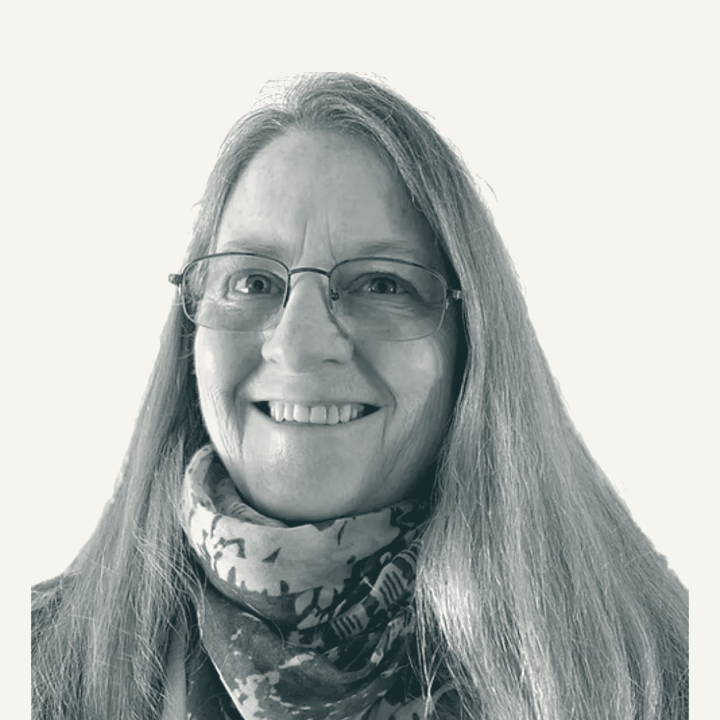
Karen Cayer, CLC, CPC
Product vision, behavioral framework, and business strategy
Forty years building and scaling operating companies across behavioral health, telecommunications, hospitality, and emerging technology, including one of Vermont's earliest woman-led Internet Service Providers, taken from startup through growth to exit. Developer of the Core Systems Method.
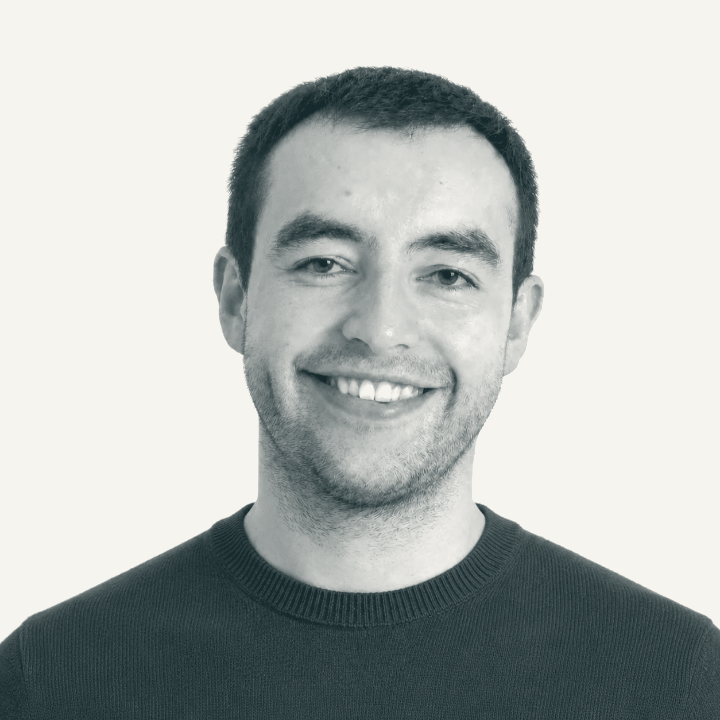
Daniel Zurita, MD
Technical architecture
Leads the translation of the Core Systems Method into a working product: data architecture, AI, and the systems that let ANSO learn from each person. Physician and digital-health founder with more than a decade turning clinical workflows into software used by real patients, from telemedicine and home care (Rescare, Clínica Digital) to AI agents in clinical operations (CliniScribe).
Interested in what happens when recognition moves earlier?
We are in conversation with investors, advisors, researchers, and technology partners who see the opportunity at the intersection of wearables, behavioral science, AI, and personalized health.
Technical plans, research design, financial modeling, and additional diligence materials are available through direct conversation.
We reply to investor messages within three working days.